

Environment
Focus on Climate Change
Climate change is a key sustainability issue for Bilfinger. It has an influence on the medium and long-term success of our Group. Topics that are particularly important to Bilfinger: climate protection, adaptation to climate change, the reduction of energy consumption and the use of climate-friendly energy sources.
Targets and Actions
Our vision is to become No.1 for our customers in enhancing efficiency and sustainability. As a sustainability partner, we work to help them reduce their climate-damaging emissions. We take on responsibility for the decarbonization of our customers’ energy-intensive production, transport and processing operations. And we enhance their energy efficiency at every stage of the value chain. The main focus is on low-carbon energy generation and on reducing energy consumption and emissions.
Industrial Services to Enhance
Efficiency & Sustainability
In line with our commitment to transparency, we have introduced a system for categorizing our services in terms of sustainability. We are constantly improving this categorization.
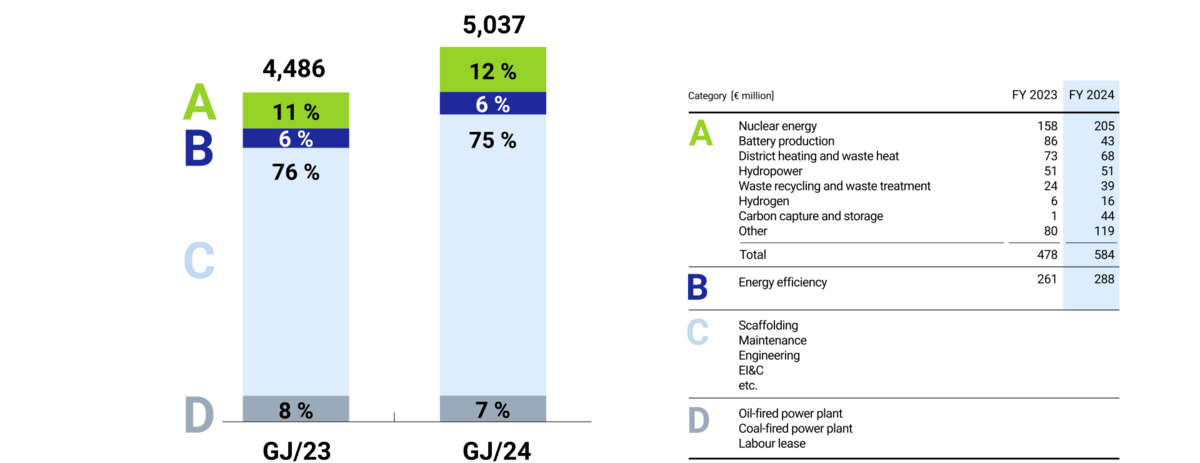
- Category A: Customers’ investments directly into sustainable technologies
- Category B: Maintenance and modification works to increase energy efficiency
- Category C: Extensive services to support the activities in categories A and B, revenue not covered by category A, B or D
- Category D: Activities in coal and oil-fired power plants, revenue from personnel leasing
With our comprehensive product portfolio, we support our customers as they transition to renewable energies and while maintaining and optimizing industrial plants. We are implementation partners for the necessary energy grids and design comprehensive energy-efficient processes.
We want to increase the share of revenue in sustainability categories A and B and focus to an increasing degree on these services. They increase the resilience of our customers and make a significant contribution to climate change mitigation. At the same time, we create opportunities for our own profitable and sustainable growth.
The process industry is facing a transformation if it hopes to achieve corporate and sustainability goals. Plants and processes must become more efficient and sustainable. As a solutions partner, Bilfinger stands by its customers with an extensive portfolio and many years of expertise."
 Gerald PilottoChief Products & Innovation Officer at Bilfinger
With our many years of experience in the automotive sector and our broad expertise in the chemical industry, we can support our customers in a variety of ways and help them make their contribution to climate-friendly mobility throughout the entire battery value chain - from the production of raw materials and chemical components through to the gigafactory and also including final assembly and recycling."
 Magda ZemanováBusiness Development Manager at Bilfinger E&M Central Eastern Europe
A lot of people are not aware of the fact that air-conditioning systems also generate heat. In urban areas in particular, this leads to additional heating of the already overheated city cores in the summer. This effect can be significantly reduced if district cooling is provided through the bundled generation of cooling water outside the city!"
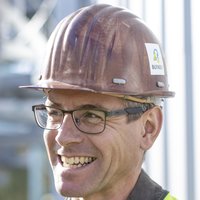 Markus GrubmairIndustrial and Power Plant Piping Construction at Bilfinger E&M DACH
Thanks to the outstanding level of flexibility and reliability that Bilfinger offers in its services, we are in a position to provide our customers with the best possible support in the area of hydropower. This is also reflected in the large number of long-standing customer relationships that we have."
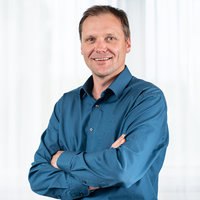 Stephan EbnerDivision Manager Hydropower at Bilfinger E&M DACH
Compared to Carbon Capture Storage (CCS), the increased use of Carbon Capture Utilization (CCU) technologies can save valuable raw materials and reduce carbon emissions, creating an economically viable business case for significant reductions in greenhouse gas emissions."
 Massimo PardocchiPresident of Business Line Energy Transition at Bilfinger
GHG Emissions Reduction
Part of our strategy is to position ourselves as a sustainable Group. To this end, we are committed to reducing our own climate-damaging emissions (CO2 equivalents; CO2e). We are also reducing our energy consumption and gradually replace fossil fuels with renewable or low carbon energies.
- We purchase electricity from renewable sources.
- We install photovoltaic systems at our sites.
- We convert machinery from conventional diesel to biofuels.
- We replace combustion-engine vehicles with electric vehicles.
- We implement energy efficiency initiatives at our locations.
With our industrial services, we actively contribute to the energy transition and improve the energy efficiency of our customers in the process industry. The Bilfinger strategy is also based on our own efficient and sustainable actions. In 2024, we measured emissions along the entire value chain in all 3 scopes. This transparency helps us set climate targets that focus on the main sources of our emissions and to incorporate the insights into the development of our Climate Transition Plan."
 Dina AbelsSenior Manager Group Controlling & Sustainability at Bilfinger
By 2030: Sustainability Commitments in Line With the Science-Based Targets Initiative (SBTi)
- We will reduce our Scopes 1 and 2 greenhouse gas (GHG) emissions by 50 percent compared to 2021 according to the GHG Protocol.
- We measured a complete Scope 3 inventory for the first time in 2024.
- We are defining further actions to reduce our Scope 3 GHG emissions by 2030.

Total GHG Emissions for Scope 1, 2 and 3